Robot Societalization Lab
We study heterogeneous multi-robot systems as urban-scale societies. From humanoids, quadrupeds, drones, and wheeled platforms to self-reconfigurable modular robots, these morphologies do not share sensory modalities, movement grammars, or environmental representations—yet together they must form a working/living social order. Our central question is how coordination, role differentiation, and collective norms arise across such morphological asymmetry. We examine this through dynamics: the collective behaviors that emerge from coupled sensorimotor loops, and the ways in which the physical substrates of perception, action, and communication shape—or disrupt—the social patterns they sustain.
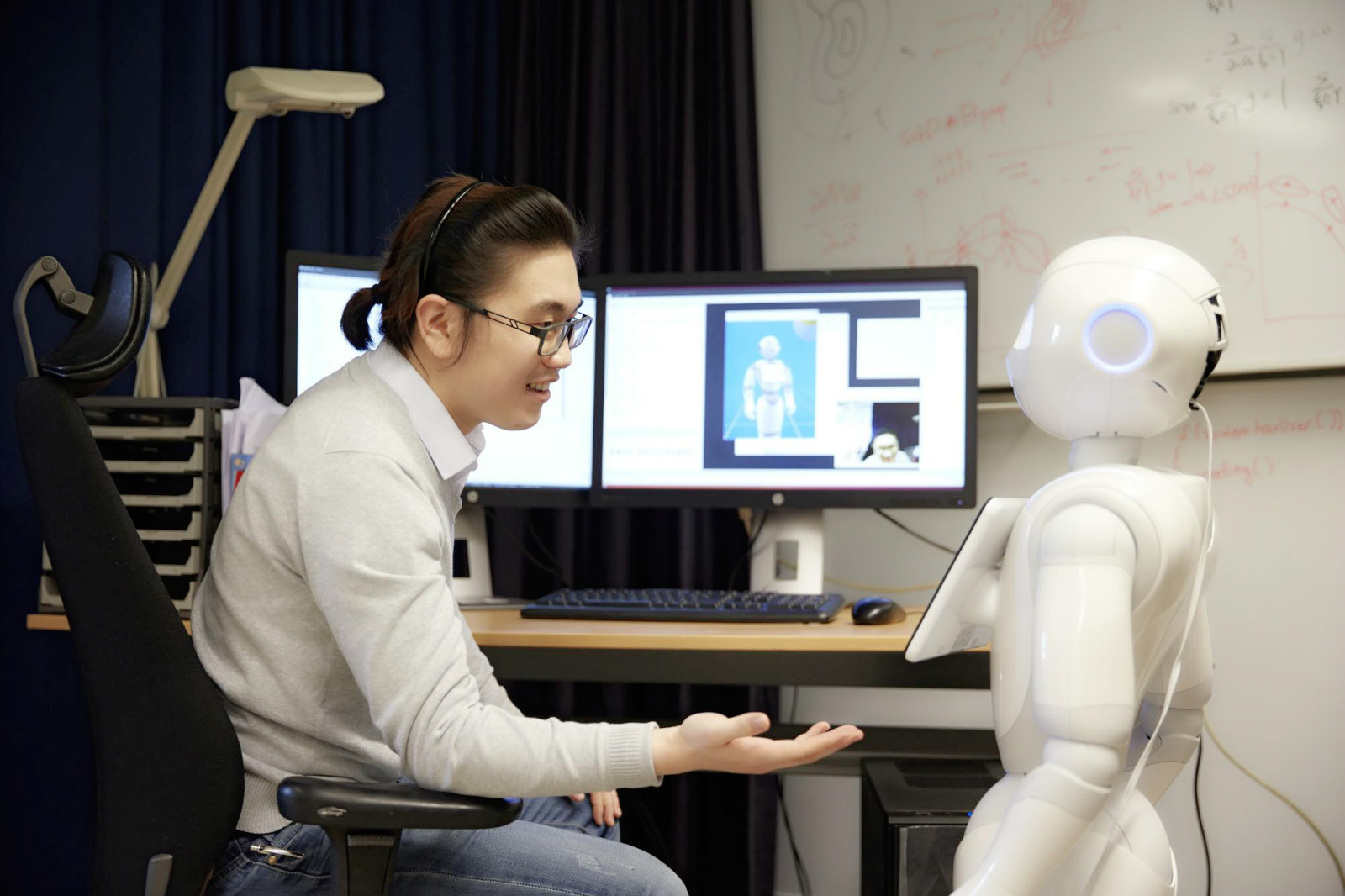
Yuan Gao
Shenzhen Institute of Artificial Intelligence and Robotics
The Chinese University of Hong Kong, Shenzhen
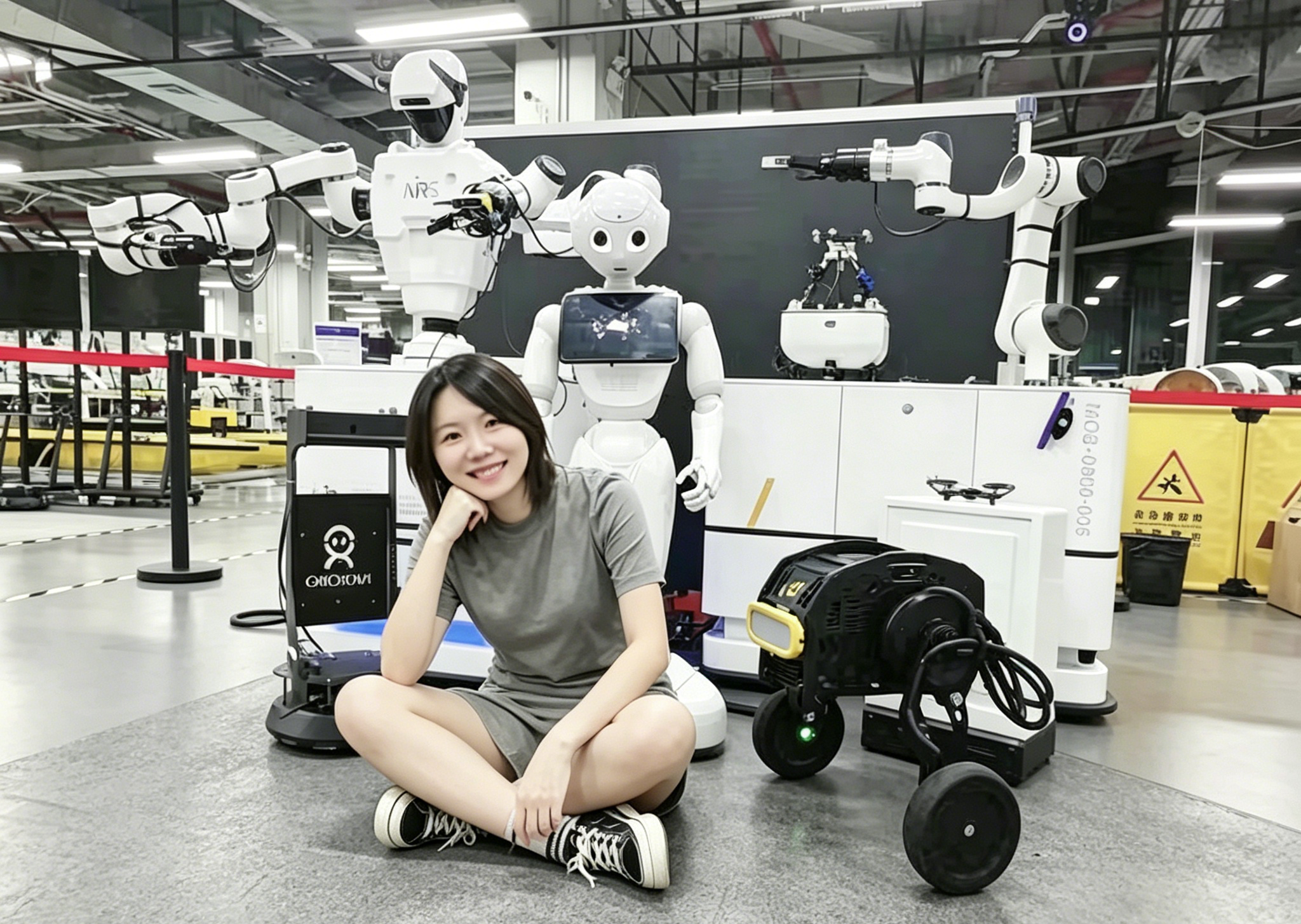
Xi Chen
Beijing Institute for General Artificial Intelligence
A single robot is a philosophy embodied. A heterogeneous multi-robot society is where irreconcilable philosophies find sustenance.
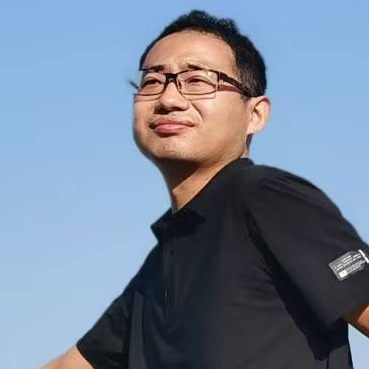

Haixu Zhang does not program behaviors; he writes reward landscapes, and lets the physics of failure teach the rest.
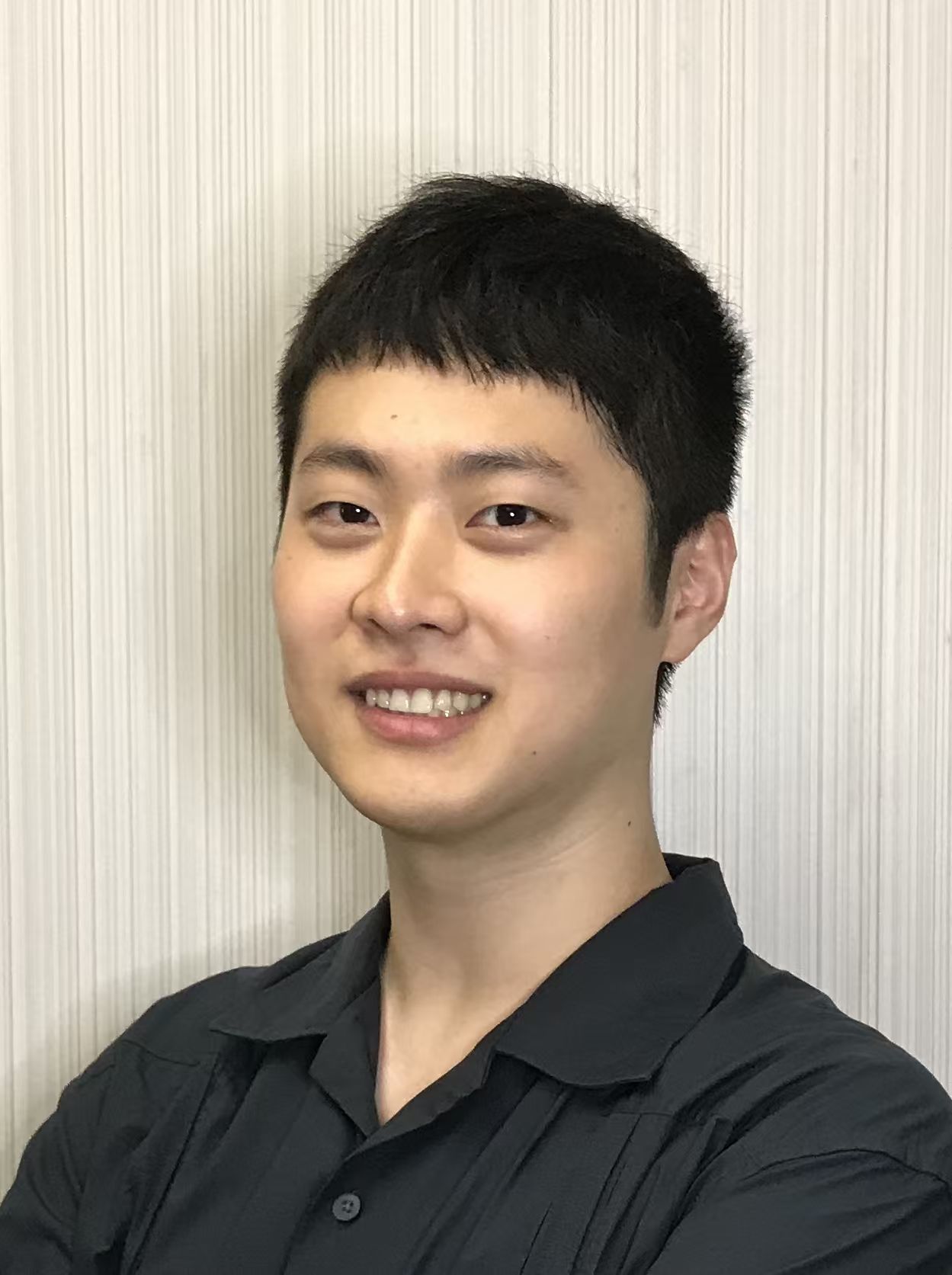
Wenqiang Lai's work focuses on enhancing the collective resilience of heterogeneous multi-robot systems with embodied agents.

Baozhe Zhang's research interests focus on robot motion planning, differentiable trajectory optimization, differentiable physics simulation, and reinforcement learning.

Peng Ju's research focuses on cloud–edge–end co-evolutionary heterogeneous multi-robot systems for city-scale, long-duration tasks, with emphasis on the evolution of large language models for task decomposition and collaborative decision-making, as well as the evolution of robot capabilities.

Hongyang Lei's research focuses on world models for heterogeneous embodied multi-agent systems.
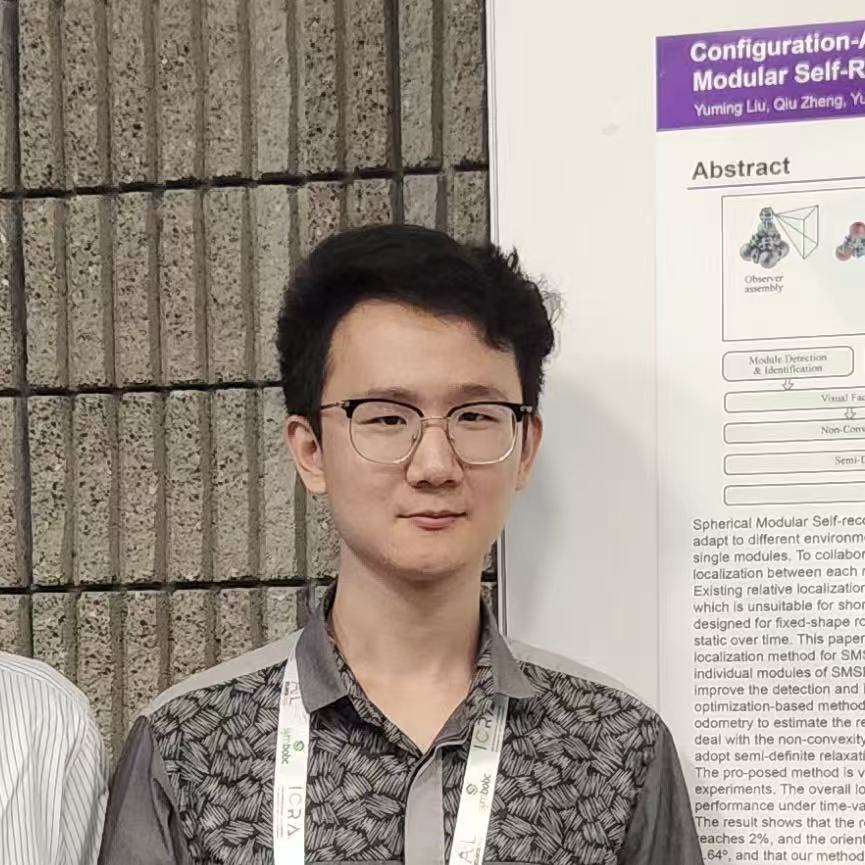
Yuming Liu focuses on providing heterogeneous robots with a unified interface for planning and perception.
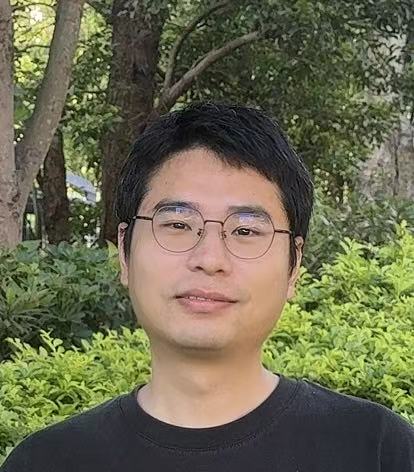
Zhiqian Wu's research focuses on heterogeneous multi-robot systems, with emphasis on knowledge acquisition and transfer.
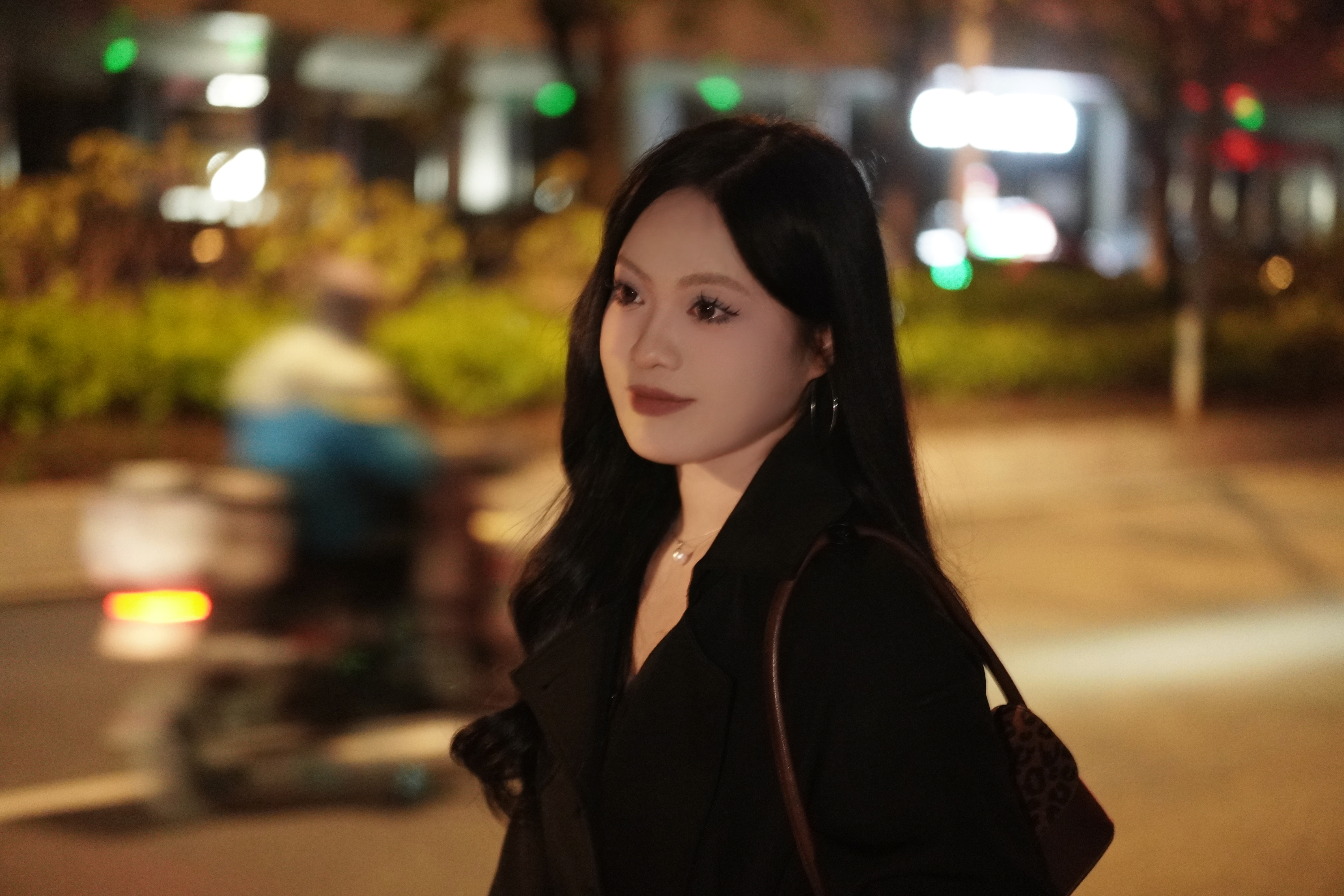
For collaboration, visiting, or research inquiries, please reach out via the contact page.
Shenzhen, China
CUHK(SZ)
Shenzhen Institute of Artificial Intelligence and Robotics
Recruiting
Postdocs and research assistants are welcome to apply.